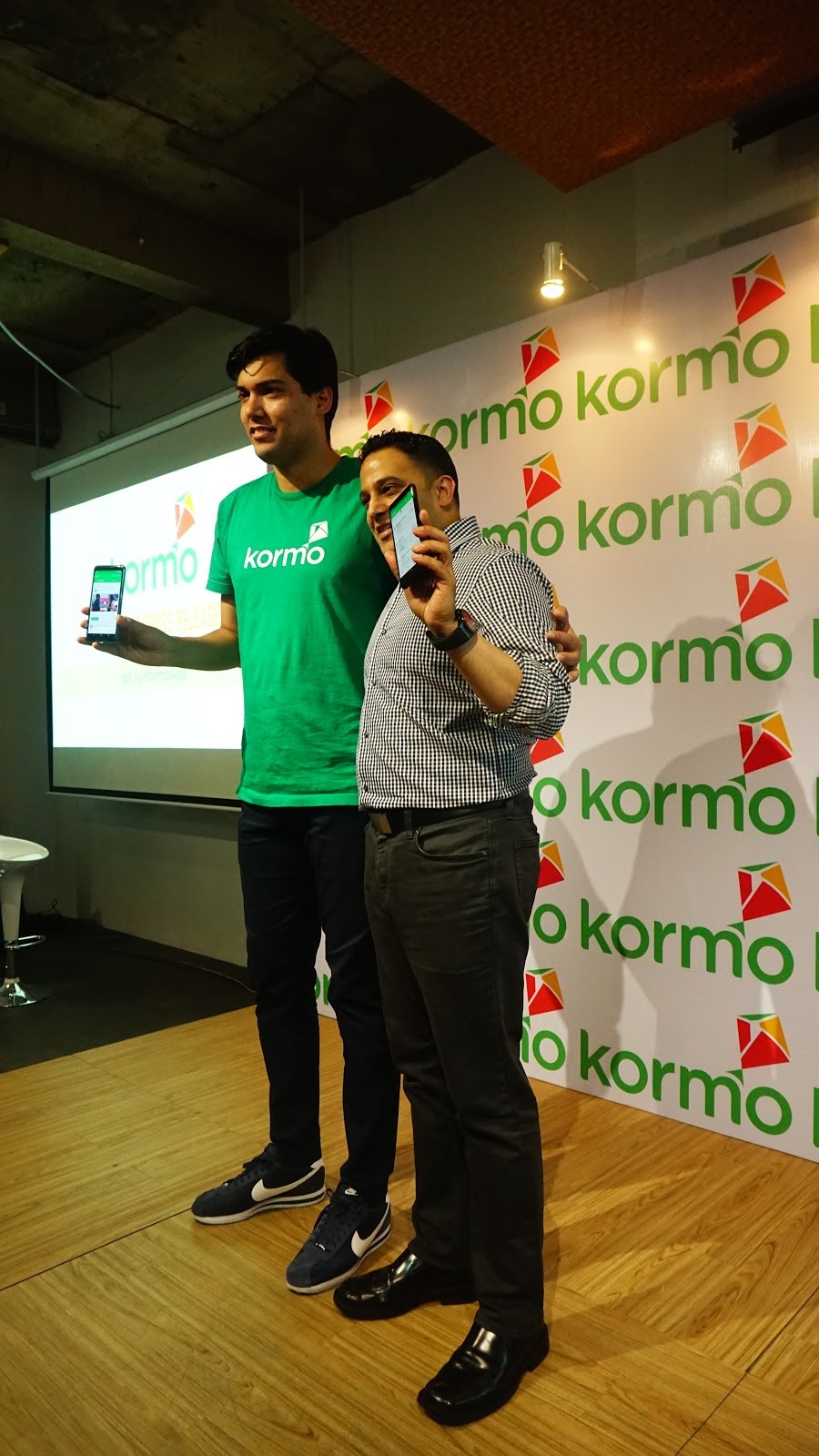
Kormo: A Platform That Helps Young People Find Jobs in the Informal Sector
Press Release: For Immediate Release
Jakarta, March 13, 2019 – In recent years, the informal labor sector has become a major contributor to Indonesia’s workforce. According to the Central Statistics Agency (BPS), the informal labor sector accounts for 58 percent of the workforce, a higher figure than last year. As of August 2018, the number of workers in the informal sector reached 70.5 million, exceeding the number of workers in the formal sector.
However, one of the common challenges for job seekers is a lack of information and job search platforms, particularly for the informal sector. To address this issue, Kormo has been launched as a job search app from Google Area 120, Google’s workshop for experimental projects. Kormo was developed to focus on connecting job seekers with informal-sector employers. Kormo uses Google’s machine learning to recommend job openings tailored to users’ profiles and their activity within the app. Currently, Kormo is still in the early stages of development, continuously adding features to maximize its positive impact on the informal labor sector.
What makes Kormo unique is that the app also aims to help job seekers develop their skills and knowledge through the “Learn” feature, where Kormo provides learning modules in the form of videos and articles. Job seekers earn badges each time they complete a module, allowing employers to see the specific skills or knowledge applicants possess.
Bickey Russell, Founder & Lead of Kormo, said, “We want Kormo to be more than just a platform for job seekers in the informal sector. That’s why we encourage job seekers to use the learning feature on the Kormo app, so they can improve their skills and knowledge to prepare for job interviews.”
Kormo also provides transparency for job seekers and employers through notifications. Job seekers will be notified when their applications have been read, when they’ve been called for an interview, and all the way through to the final announcement. Meanwhile, employers will be notified when the job postings they’ve uploaded to Kormo have been viewed and responded to by job seekers.
“I used to spend up to a year looking for work—applying through apps, social media, and job postings on billboards. I was even once asked for money after an interview. When I first installed Kormo, filled out my profile, and applied, I got a call for an interview within two minutes,” said Meidina, a job seeker and Kormo user, during Kormo’s media launch event in Jakarta.
Meanwhile, employers also find Kormo extremely helpful. “It really helps us in terms of saving time and effort. Before, we had to reply to emails one by one and design posters for social media; now everything is automated and incredibly fast,” said Calvin, founder of Kata Kopi.
“For FiberStar, as a telecommunications company operating in 92 cities, Kormo’s ‘learning’ feature provides added value that makes it easier for us to assess the capabilities of applicants,” said Thomas Dragono, Director at FiberStar.
To provide relevant job opportunities, Kormo partners with a wide range of businesses—from large corporations to small and medium-sized enterprises—to increase the number of job openings and enable more job seekers to apply directly through Kormo. The Kormo app is now available for free on the Google Play Store. Businesses interested in partnering with Kormo can register through the Kormo website.
***
About Kormo
The Kormo app was launched in two versions: one for job seekers and one for employers. Kormo, born out of Google’s Area 120 workshop, was first launched in mid-2017 in Bangladesh. The name “Kormo” comes from the Bangladeshi language and means “to work.” Since its initial launch in Bangladesh, Kormo has connected 25,000 job openings from approximately 400 employers there.