As technology continues to advance, the types of jobs available are becoming increasingly diverse. This is especially true in the creative industry—such as at Public Relations Agency Indonesia—which demands not only engaging but also high-quality content. Roles like content writer, content creator, and copywriter have become particularly popular in recent years.
However, some people still find it difficult to distinguish between these three professions, and some companies even combine all three roles into a single position. Although they all involve writing, content writers, content creators, and copywriters actually perform three distinct jobs. It’s important for us to understand the differences between these roles because each has its own unique challenges and objectives. Check out the following analysis from Media Buffet PR.
Table of Contents:
The Differences Between Content Writers, Copywriters, and Content Creators
Content Writer – The Storyteller
Right now, you’re reading an article on the Media Buffet PR website and learning information you didn’t know before. Yep, that article is the work of a content writer. To be more specific, as reported by Social Media Today, a content writer is someone responsible for designing and writing content in various forms—whether it’s website articles or social media posts—with the goal of informing and educating the audience.
To create high-quality, easy-to-understand articles that align with digital marketing goals, a content writer must be skilled at researching the topic at hand, understand various angles, and possess knowledge of Search Engine Optimization (SEO). As Neil Patel says, SEO is essential for helping our articles gain organic traffic and even drive conversions.
At Media Buffet PR, Muthia is actively writing articles for the website. During the writing process, Muthia applies SEO strategies by incorporating relevant keywords that she has researched beforehand using third-party tools like UberSuggest by Neil Patel. Additionally, internal linking is just as important in a website article.
Copywriter – The Attention Grabber
This is a profession that’s often confused with that of a content writer—they’re practically identical twins. But even though they’re twins, there are definitely differences, right? The difference lies in the goal: to get the audience to take action—whether that’s subscribing, buying, downloading, or calling. To get the target audience to take action, the copywriter plays a crucial role in crafting copy that’s “mesmerizing” or attention-grabbing.
If you’re interested in becoming a copywriter, Rahadian—a copywriter and poet at Media Buffet PR—encourages you to understand your target audience. That way, the copy you create will naturally resonate with and align with your intended audience. Don’t forget to stay up-to-date with current events, because trends are always changing and there are many opportunities you can capitalize on by understanding them. You definitely don’t want your copy to feel outdated and so yesterday, right?
One thing that (aspiring) copywriters must understand is how to sell without even selling. Instilling brand value in your audience requires a consistent process and isn’t easy. That’s why soft selling is a method that’s considered difficult but will have a significant impact on building and maintaining that brand value in the minds of your audience.
Content Creator – The Jack-of-All-Trades
Unlike content writers and copywriters, who focus solely on narrative or words, a content creator is capable of producing a much broader range of content—such as photos, videos, infographics, or podcasts—and publishing it via social media. According to Influencer Marketing Hub, content creators are categorized based on the platforms where they create their work. For example, there are YouTube content creators, social media content creators, podcast content creators, and so on.
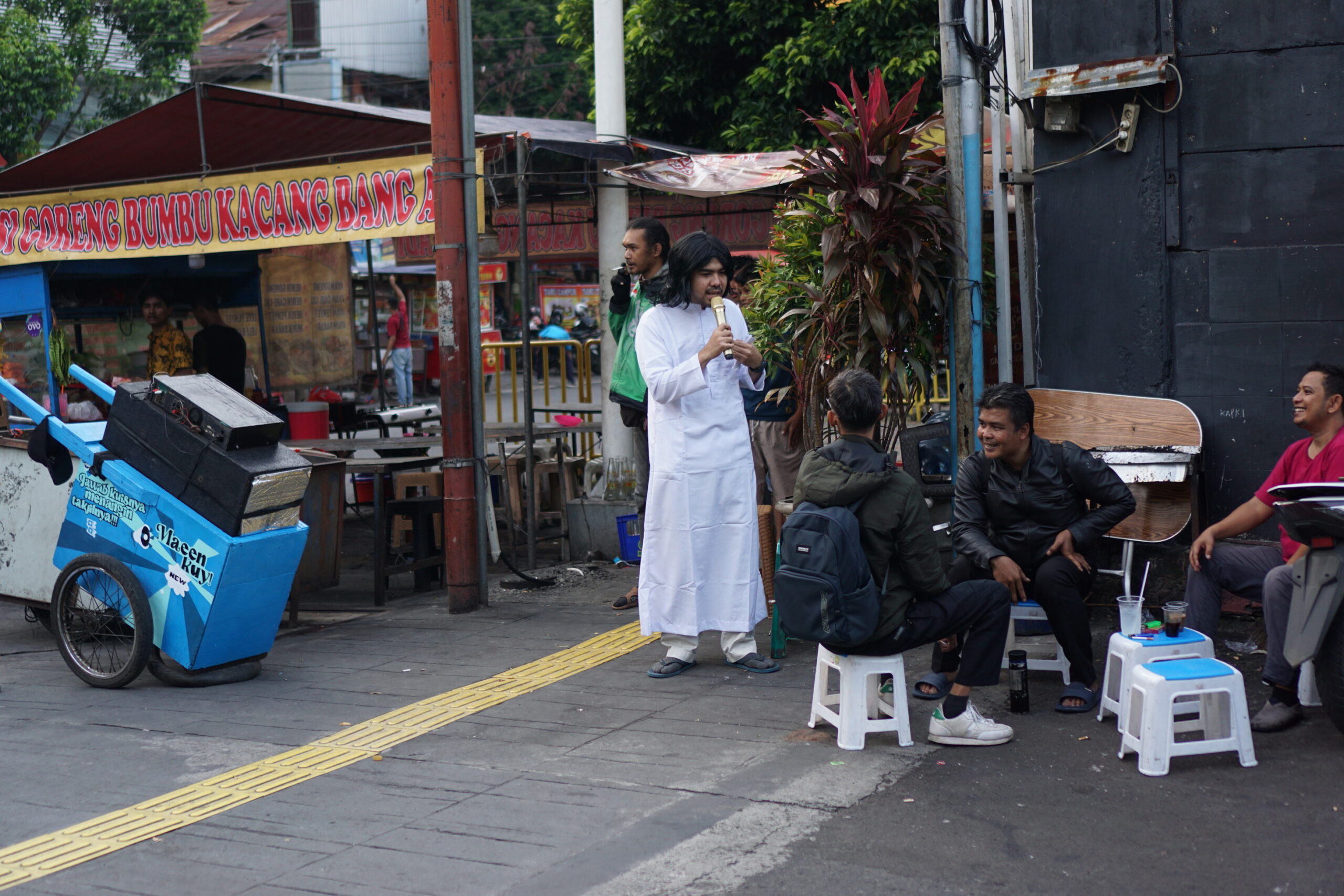
Content creators don’t always work alone, like the influencers we often see. PR agencies in Jakarta also need content creators—Media Buffet PR, for instance. To meet the digital content needs of clients or for Media Buffet’s internal activities, Muammar is a key asset. For Muammar, to be a content creator, one must at least understand the basics of visual editing—whether static (photos, posters, infographics, etc.) or dynamic (animations, videos, etc.).
For those of you who want to become content creators, here’s a tip from Muammar: don’t be afraid to learn, and don’t hesitate to ask questions! Anyone can be a content creator, but not every content creator is accepted by everyone.
Those are the differences between content writers, copywriters, and content creators that you need to know. It can be concluded that a content creator’s job description is indeed broader compared to those of content writers and copywriters, which are more specific. So, out of these three professions, which one do you want to pursue further?