
When people hear the term “Public Relations,” some immediately think of the typical PR job responsibilities, such as communicating on behalf of the company to the public, reaching out to the media for press releases, or handling corporate crises. Broadly speaking, that’s indeed what PR is about, but if you dig deeper, you’ll find it’s not just focused on a company’s “image”!
“So what else does a PR professional actually do?” To answer that question, Media Buffet PR once highlighted one of the common tasks performed by Public Relations professionals: Media Monitoring. This practice ensures that PR practitioners stay up to date with the latest news regarding the company, its competitors, and the industry.
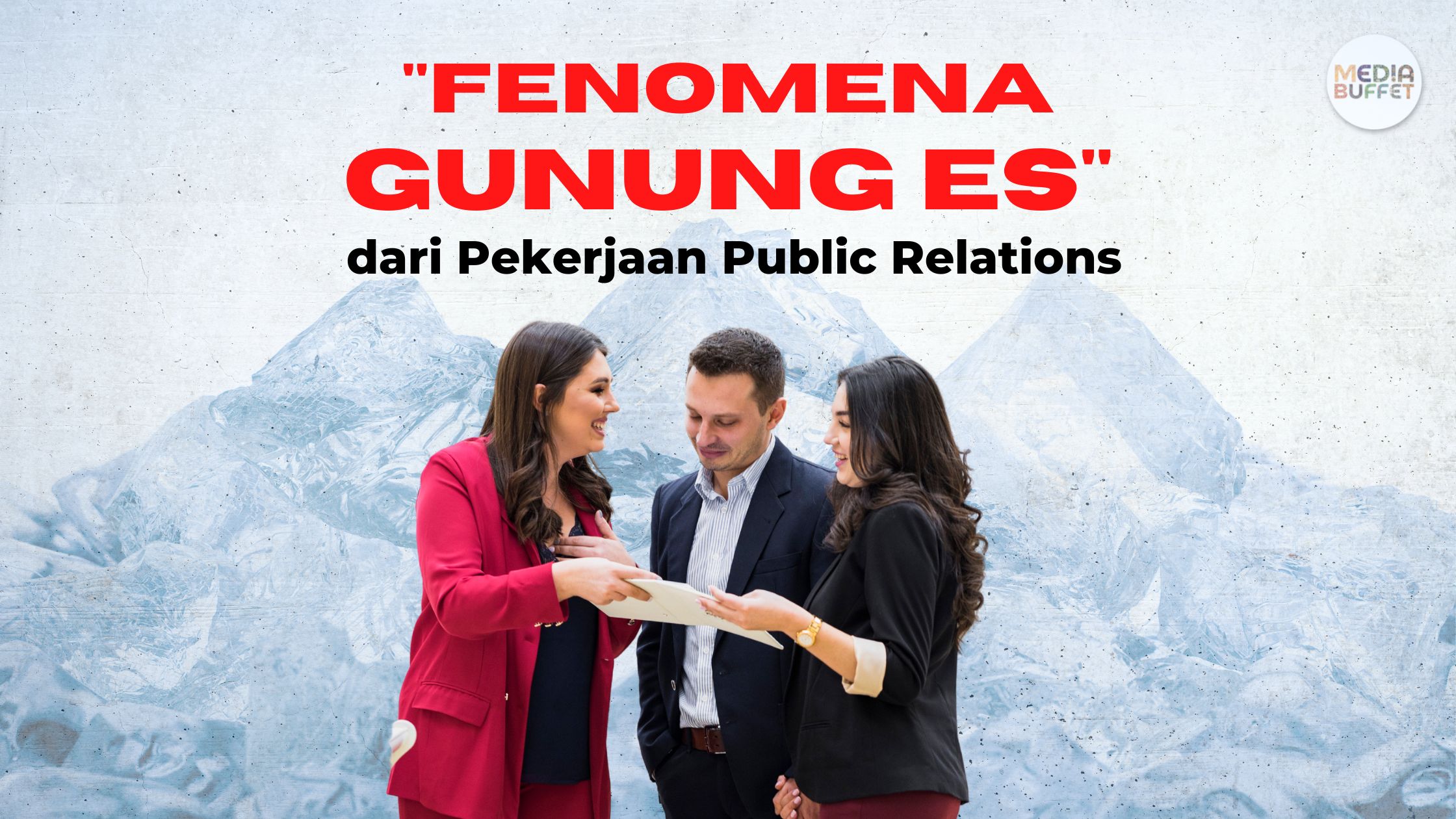
Is that all there is to it? Hold on—that’s just the tip of the iceberg. Much like an iceberg, there are still several other important PR tasks that remain “invisible” to the general public—especially in this era of digital PR. Here’s a list of PR tasks carried out by Media Buffet, one of Jakarta’s leading PR agencies:
Table of Contents:
The Behind-the-Scenes Work of a Public Relations Professional
Writing
Writing is an integral part of a Public Relations professional’s work. This can be likened to driving a vehicle—it is essential to fill up on fuel first.
The writing activities carried out by PR professionals are not limited to press releases but also include other essential tasks such as drafting reports, creating cue cards, and preparing important documents for collaborations with external parties.
In fact, in today’s rapidly evolving technological era, the scope of public relations has expanded, meaning activities are no longer limited to conventional PR alone. Now there is also Digital PR—the integration of public relations with digital marketing.
One small example of a digital PR activity is writing SEO-optimized press releases that include backlinks or incorporate recommended keywords based on search engine optimization (SEO) research.
Media Relations
Mutualism is an apt description of the relationship between Public Relations and the media. From a PR perspective, achieving Key Performance Indicators (KPIs) can be measured by the number of news publications reaching the public. To achieve this, PR practitioners typically develop strategies to build relationships with media outlets.
Many people hold the misconception that PR only contacts the media with the sole purpose of getting a press release published. To avoid this perception, Media Buffet PR employs a specialized strategy where the primary goal of media relations is to introduce the client’s brand to media outlets, so that the media can understand the background of the company and the products offered by that brand.
Community Relations
The context of community relations extends beyond relationships with local communities surrounding the company. Rather, the communities in question are groups of people who share a common interest and have a vision and mission aligned with the brand.
“What’s the point of PR building community relationships? It just adds to the workload.”
Don’t worry—from a PR agency’s perspective, community relations can be highly beneficial for brands that want their products to reach the right audience—one that’s a good fit for what they offer.
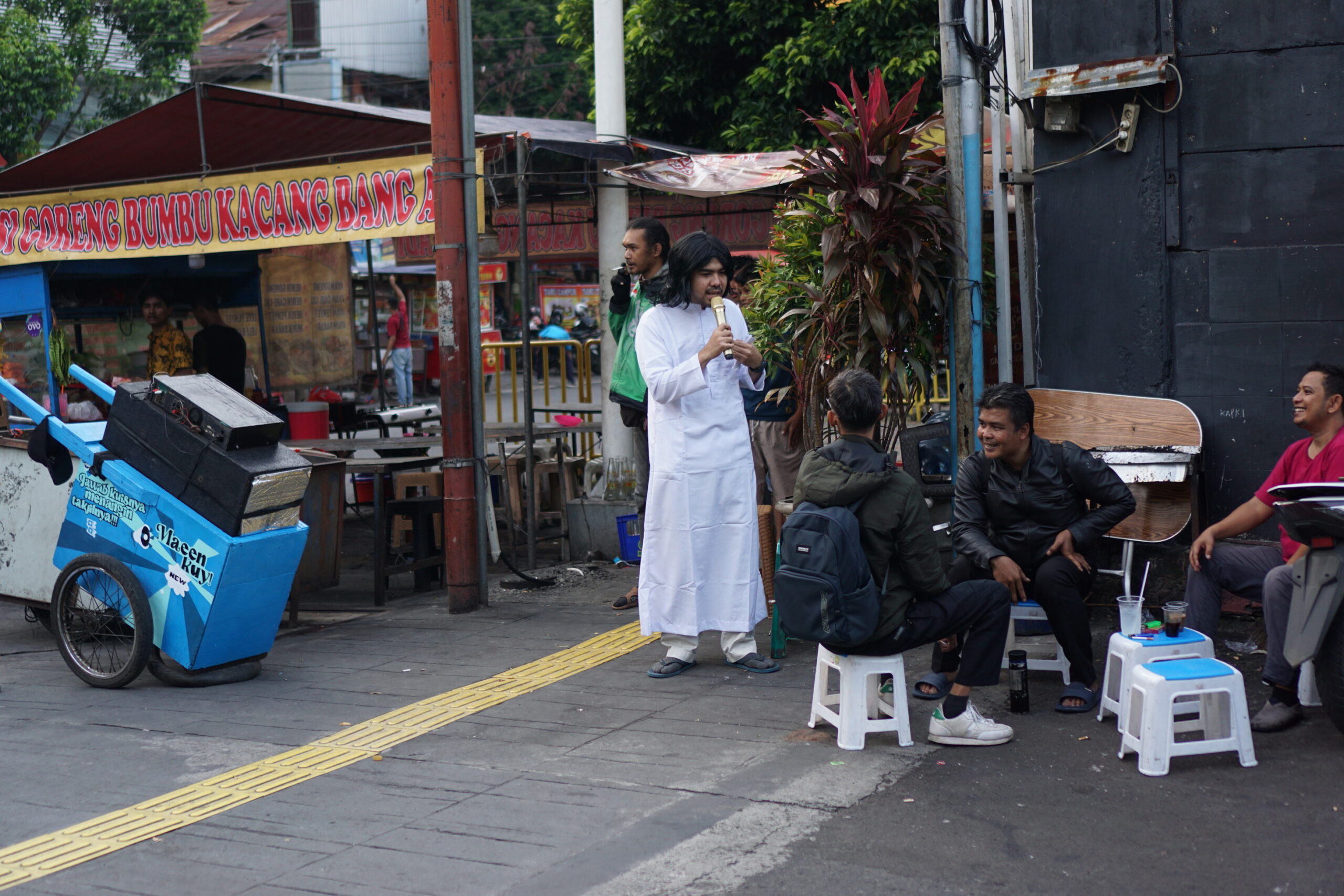
Take, for example, a case study conducted by Media Buffet PR on Paxel, a logistics company with “same-day delivery” as its flagship service. This service is ideal for small and medium-sized businesses (SMEs) to deliver food and beverages quickly while ensuring the quality and safety of the products remain intact.
Event Management in Public Relations
PR professionals aren’t just required to be skilled writers; they’re also typically well-versed in event management. Why events? Because PR activities are often structured around events—such as product launches and press conferences.
Especially at PR agencies, associates and consultants are trained to meticulously plan events—from defining the event concept, target audience, and objectives to handling detailed technical aspects during the event itself.
Event management is considered highly complex because it requires precision, time management, strong teamwork, and maintaining effective communication with all parties involved in the event’s execution.
So, it’s safe to say that a Public Relations professional’s job isn’t just about acting as a spokesperson when the company is in a crisis! Like the “tip of the iceberg,” in addition to maintaining communication with parties outside the company, a PR professional is actually capable of handling a wide range of tasks. Although the key focus remains firmly on “communication” and “relationships.”
Farah Dina