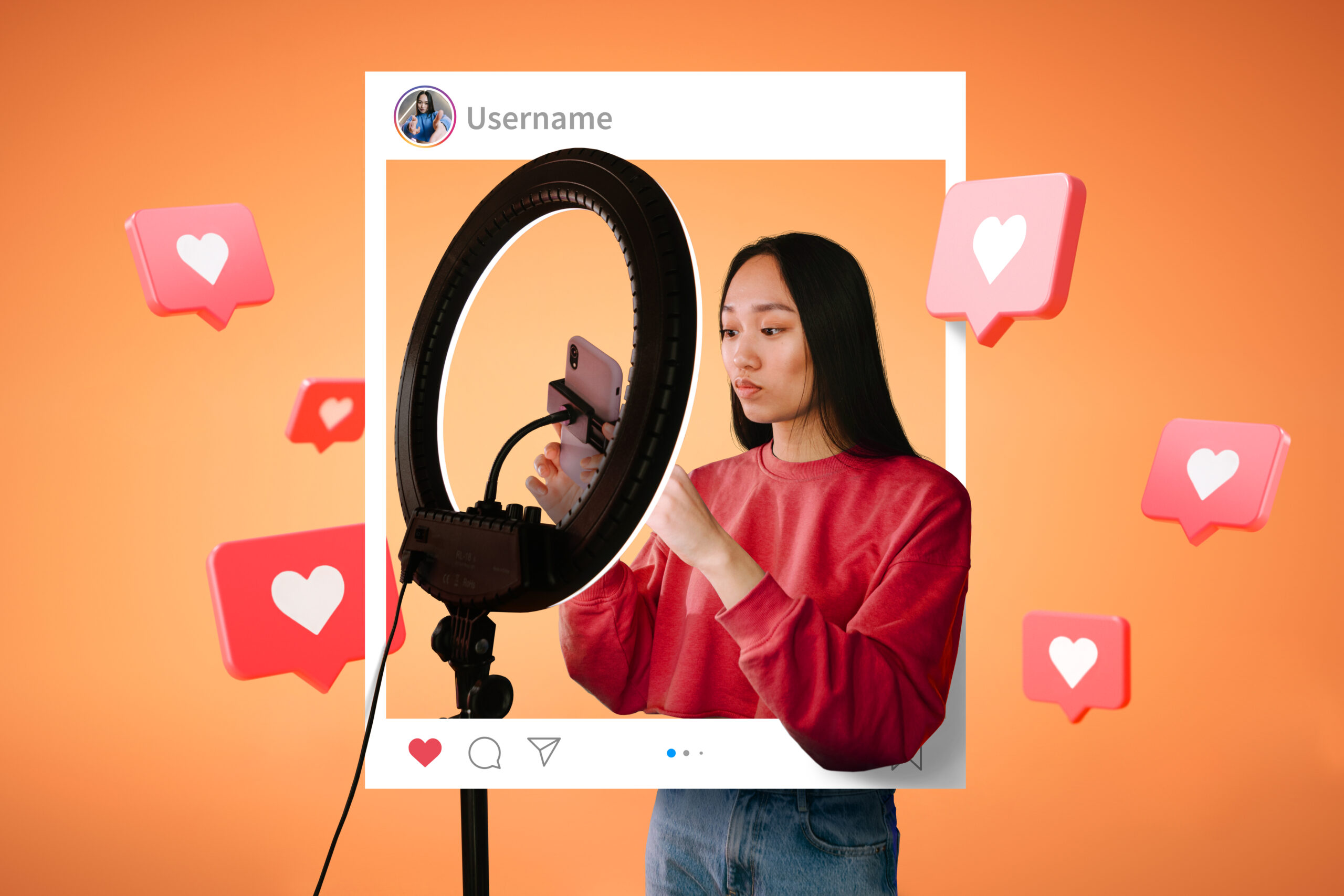
Are you running influencer marketing but confused when considering strategies? You have to understand the term “influencer”. Often defined as individuals who have many followers and are often trendsetters, influencers are considered to be able to influence consumer shopping decisions, so it's no wonder that many brands collaborate with them for campaigns.
Influencers are divided into several types based on the number of followers and reach: nano, micro, macro, to mega.
Influencer Categories: Nano, Micro, Macro, and Mega
Influencers can be categorized based on the number of their followers. Definitions can vary, but in general, this division is most often used:
- Mega/Hero: above 1 million followers
- Macro: 100 thousand – 1 million followers
- Micro: 10 thousand – 100 thousand followers
- Nano: 1 thousand – 10 thousand followers
Each has advantages and disadvantages that must be considered before choosing to implement an influencer marketing strategy.
Mega & Macro Influencers: Wide Reach, High Awareness
If the goal of influencer marketing is to make your brand known to many people quickly, collaborating with mega or macro influencers could be the right strategy. They have hundreds of thousands to millions of followers, so their content goes viral easily and can reach a wide audience.
This group already has a strong personal brand, so when they promote something, your brand's credibility also increases. In essence, if you want to make your brand better known, they could really be an option. However, it must be remembered that even though there are many followers, engagement tends to be low. Plus, on average they don't have a specific niche market. Many people follow them just because they are famous, not because they are really interested in the product or service they are promoting. Your brand can be immediately recognized, but it takes more effort to convert it into a purchase.
Apart from that, the budget they offer tends to be high. Therefore, before collaborating with them, it is important for brands to first think about the objectives of the campaign.
Micro Influencers: High Engagement, Loyal Audience
Micro influencers have an advantage in terms of engagement even though the number of followers is less than mega influencers. Their strengths are more intense interaction with followers and more personal and relatable content, so that followers have more confidence in the recommendations they give. For example, if a micro influencer in the beauty world says a product is good, chances are that their followers will be more confident in trying it.
Because of this high level of trust, many brands are now starting to turn to this group for promotions. They are considered more authentic and have a closer relationship with their audience, so the message they convey feels more natural.
From a budget perspective, collaborating with micro influencers is usually more pocket-friendly than influencers who have millions of followers. Brands can collaborate with several micro influencers at once to reach more engaged communities. So, if the brand's goal is not just exposure but also to get high engagement and more effective conversions, micro influencers could be a more strategic choice.
Nano Influencers: Recommendations from the Inner Circle
Nano influencers have the highest engagement rate compared to other influencer categories. Their followers usually consist of friends, family, or a small community who really know and trust them.
Because of this more personal connection, recommendations from nano influencers are often perceived as more honest and authentic. If they review or promote something, their audience is more likely to believe it and be interested in trying it. However, because their number of followers is smaller than micro or macro influencers, their reach is also more limited.
If the brand's goal is to go viral or increase brand awareness on a large scale, nano influencers may not be the main choice. However, if brands focus more on high engagement and want to build strong trust with a certain audience, nano influencers can be an effective weapon.
Combination Strategy: Mix & Match for Maximum Results
To maximize your campaign, try combining several types of influencers at once. For example, what Media Buffet did for Pertamina Lubricants in the Not the Last Holiday campaign, last December 2023.
We hired as the main anchor for this campaign Mega Influencers, namely Denny Sumargo, but we also collaborated with Macros like Dzawin Nur, Alitt Susanto, Mas Wahid, Ario Pratomo. Well, just because we don't really want to push with engagement and are more concerned with awareness we don't collaborate with micro and nano.
Instead, we collaborate with several radio stations and also advertise on Spotify. As a result, we managed to achieve more than 24 million reaches in just 2 weeks.
So mega, macro, micro, or nano influencers?
In conclusion, there is no definite answer to who is best for your brand. The important thing is to choose an influencer who has an appropriate audience and is credible in their field. Also make sure the collaboration is authentic and doesn't look forced, so that the results really have an impact on your business.
Ready to determine an influencer marketing strategy for your brand? Or are you still confused about how? Media Buffet is ready to help 🚀
Author: Didiet Nugraha