If you’ve noticed, one startup with an interesting digital marketing concept that went viral quickly among the public is Gojek. Do you remember when Ibu Siska suddenly decided she wanted to quit the Indonesian culinary world (for those who don’t know who Ibu Siska is, you’re definitely not old yet)? Many people thought it actually happened, and it even became a trending topic. Upon closer inspection, it turned out to be a creative idea from Gojek to promote GoFood.
Here’s another example from last September, when Ariel Noah starred in a Gojek ad for one of its flagship products, Gosend, by changing the lyrics of the song “Separuh Aku” to “Sepatuh Aku” while waiting for a shoe delivery that never arrived. The ad instantly entertained netizens with its humor and brilliant copywriting.
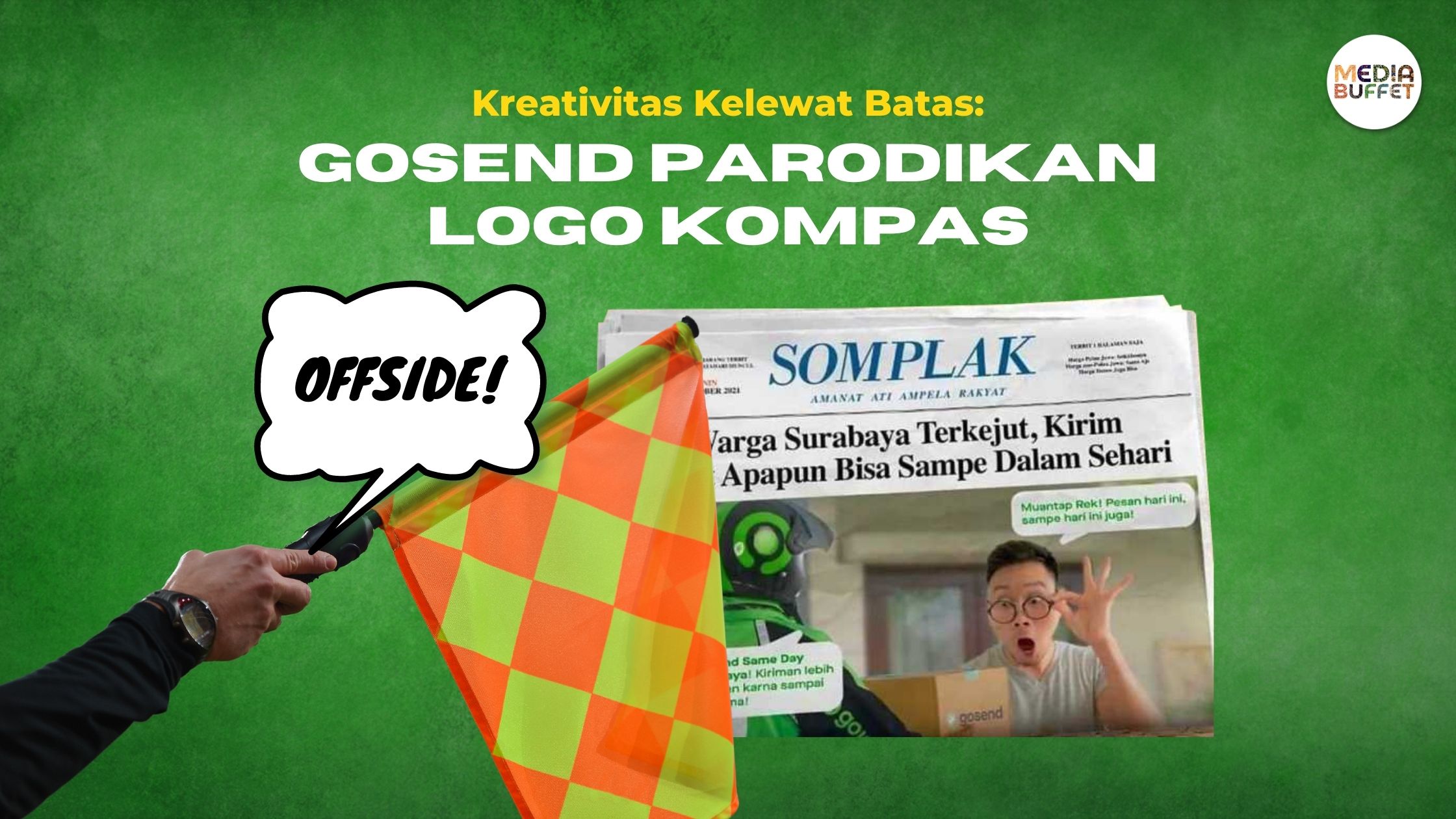
Still from the ad campaign led by Kevin Aluwi for the Gosend product. This time, it wasn’t song lyrics that were altered, but the logo of a major Indonesian media outlet that’s been around for several decades. Yep, Gosend parodied that media outlet’s logo, which ended up going viral, leading to an apology and ultimately the campaign’s removal. Be sure to read this article further, as Media Buffet PR will dissect this case from a communications perspective.
Table of Contents:
Intended to Be Unique, but It Became a Controversy
This case began with an advertisement created by Gojek for its GoSend service. The decacorn created promotional content by changing the name of the Kompas newspaper to “Somplak.”
“Surabaya Residents Are Surprised—Any Package Can Be Delivered Within a Day,” wrote Gojek in a post on GoSend Indonesia’s Instagram.
The digital marketing strategy employed was actually quite interesting, considering that Gojek—as a modern tech startup brand—was “tagging along” with a major brand like Kompas, which has been around for decades. As a result, the message aimed to reach a cross-generational audience, as the two brands represent different markets: Gojek’s audience consists of Gen Z and Gen Alpha, while Kompas’s audience is more mature, comprising Gen X and Millennials.
Unfortunately, this content concept sparked controversy and immediately drew protests. One of them came from a Kompas journalist, Angger Putranto. On Twitter, Angger protested why the company—part of the GoTo Group—created promotional content that was unethical.
How Did Gojek and Kompas Respond to This?
As it turns out, it didn’t take long for Gosend to take action after the bizarre promotional content went viral. Unlike other brands that merely issued an apology via a social media post and waited a few days, this homegrown company acted swiftly to demonstrate its good faith by paying a personal visit to the Kompas editorial office to foster goodwill. At the same time, they also posted an apology on Gosend’s Instagram account.
This decacorn did not hesitate to apologize both personally and in writing. As a result of the incident, the promotional content featuring the Kompas logo has been removed from Gosend’s Instagram page. Kompas, as a legendary major brand, accepted the apology and chose not to pursue the case involving the visual parody, which was deemed offensive and in violation of media ethics.
What Can We Learn From This Case?
This incident demonstrates that major companies like Gojek (with its Gosend product) and Kompas handled the situation—which had drawn significant criticism on social media—with great maturity and wisdom. Each company was able to concretely demonstrate its core values.
Gojek, as a tech startup synonymous with boundless creativity, a fast-paced environment, and agility, reflected all of these traits in its swift response—immediately visiting Kompas to foster goodwill. Similarly, Kompas—a legendary company dating back to the era of Ir. Soekarno—demonstrated its wisdom by not exacerbating the situation. In fact, Kompas could have filed a copyright lawsuit over the term, which had been twisted to carry a negative connotation, but the national newspaper—which has been in operation since 1965—chose not to do so.
It would be great if we could apply and implement the characteristics demonstrated by Gojek, especially if we’re in a dynamic and fast-paced industry like the digital or public relations agency sector. To prevent incidents like the one involving Gosend and Kompas from happening again, in-depth research into the behavior and psychographics of each target audience is necessary—especially if the campaign spans multiple generations.