
“They’ve never invited us to an event, haven’t contacted us at all, then sent a press release—but suddenly they keep asking if the story has been published yet. Are you okay?”
This statement, posted by a journalist on social media, has become something of a joke or anecdote among journalists to take a dig at corporate public relations (PR) professionals.
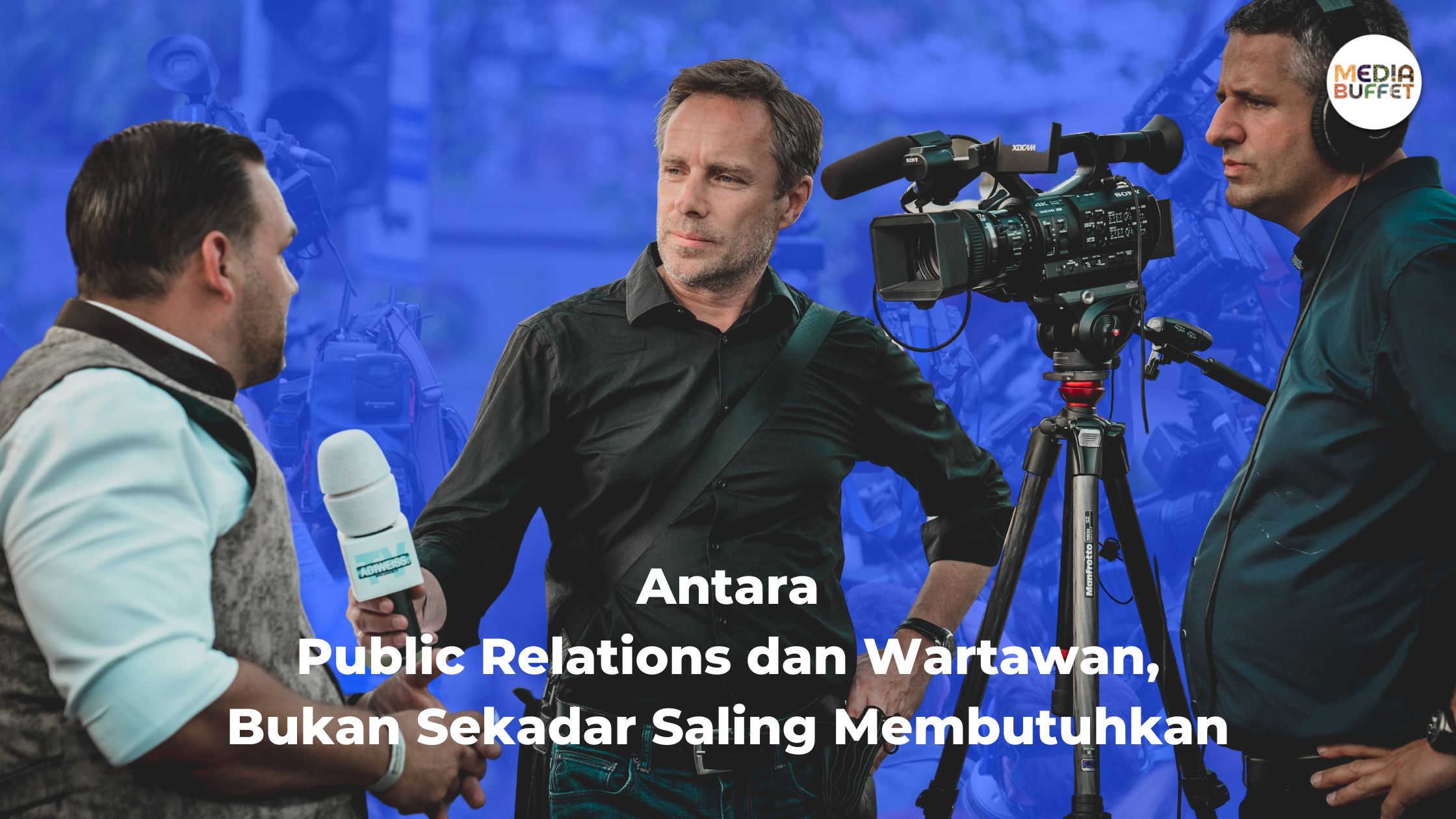
It’s no secret that there’s a symbiotic relationship between journalists and corporate PR professionals. Journalists need information to turn into news, and corporate PR professionals need journalists to publish information about their companies so it reaches the public (readers). But what many don’t realize is that this relationship doesn’t just happen on its own.
For PR professionals, one of the goals or indicators of success is when the press releases they distribute are widely published in the media. It’s even better when a journalist follows up to dig deeper into the topic covered in the press release—or even requests an in-depth interview with key figures at the company. This means the topic is genuinely compelling to the journalist.
For journalists, the presence of a company’s PR team is extremely helpful to their work. First, journalists need information to turn into news stories. A press release can serve as a trigger or catalyst to spark an idea for a story they want to write. Second, one way to obtain a source’s contact information is through PR professionals they know.
The question is, if both sides truly need each other, why did the sarcastic remark mentioned above suddenly come from a journalist?
The following tips from professional PR practitioners may provide the answer:
Table of Contents:
Tips for Building Genuine Relationships with Journalist Friends
Do Your Research
Never assume that journalists can write about every topic or piece of information they receive. Within their work structure, journalists are divided into various coverage areas based on news topics. A journalist covering the economy, for example, will naturally disregard a press release about technology that they receive.
To ensure your information reaches the right person, do a little research on the media outlets or journalists relevant to your topic. For example, check the byline section of an online news article. The byline is the part of a news article that lists the names of the journalist and the editor.
Building Relationships in Person
Jocelyn Sexton of Dover Fueling Solutions says that her company frequently holds in-person media meetings to build relationships with journalists. “We discuss their editorial calendars, identify what topics they need, and offer assistance with the information most relevant to our company,” she explains.
Building relationships with the media goes beyond simply sending press releases or inviting them to your company’s ceremonial events. Hosting special events dedicated exclusively to the media is an effective way to build those relationships.
It doesn’t have to be a big, lavish event—simply gathering three to five media representatives for a meeting at a coffee shop is enough. What’s important is doing it consistently. That way, they’ll feel valued, and genuine relationships can be built, regardless of any ulterior motives.
It’s a Marathon, Not a Sprint
Building relationships and connecting with journalists is no easy task. In other words, you can’t expect to connect with them immediately just by inviting them to an event, introducing yourself, and then hoping they’ll remember you right away.
Journalists may meet two or more people in a single day. Over the course of five workdays, they might meet 10 or more people. Can you imagine if you only show up once and then disappear—will they even remember you?
According to Parna Sarkar-Basu of Brand and Buzz Marketing, LLC, building relationships with journalists outside of work is essential. “I communicate with the media in various ways—for example, by following them on social media so I can find out what topics interest them most,” she said.
If you feel you don’t have enough time to do all of the above, it might be time for your company to hire a PR agency.
Building relationships outside of work and maintaining effective communication with journalists are communication strategies we frequently employ at Media Buffet PR Agency. As a PR agency, we don’t view them merely as a third party between us and our clients.
More than that, to us, journalists are partners—both in work and play. Sometimes we meet them at an event we host; other times, we might meet on a basketball or futsal court to play.